Important medical notice: this article is for information only and does not replace the advice of your doctor, orthopaedic surgeon, physiotherapist or any other healthcare professional. The contraindications described here are general guidance. Every person has a different clinical situation that only a health professional can assess. Before starting Reformer Pilates or any exercise programme, consult your doctor, especially if you have any of the conditions mentioned in this article. The final decision on whether or not you can practise Pilates always rests with your medical team.
Reformer Pilates has a long list of benefits backed by scientific evidence. But it is not suitable for everyone at every moment. Saying this is not scaremongering: it is responsibility.
At Pinar Pilates we believe transparency builds trust. We would rather you read this article, check with your doctor and come with peace of mind, than discover a limitation halfway through a class. That is why we have prepared this guide to the absolute, relative and temporary contraindications of Reformer Pilates.
Why Talking about Contraindications Matters
Many articles about Reformer Pilates focus only on the benefits. That is understandable: the benefits are real and well documented. But any physical activity has situations in which it is not indicated, and Reformer Pilates is no exception.
Knowing the contraindications does not mean being afraid of exercise. It means making informed decisions. It means knowing when you need medical clearance, when it is better to wait and when you can practise with specific adaptations.
A good Pilates studio does not accept everyone without asking. It asks questions, requests medical information when necessary and, in some cases, recommends consulting a specialist first before starting. That is not an obstacle: it is a sign of professionalism.
Absolute Contraindications: When Not to Do Reformer Pilates
Absolute contraindications are situations in which practising Reformer Pilates poses a real risk to health. In these cases, exercise must be postponed until the condition resolves or stabilises under medical supervision.
Acute Injuries
A recent fracture, a severe sprain, a muscle tear or a ligament injury in the acute phase are absolute contraindications. In the inflammatory phase (the first 48 to 72 hours, sometimes longer), the tissue needs rest, not movement under resistance. Moving an injured joint against the Reformer springs can aggravate the injury, increase inflammation and delay recovery.
The general rule: if you have an injury that your doctor has said needs rest, the Reformer can wait.
Uncontrolled High Blood Pressure
Uncontrolled high blood pressure (readings above 180/110 mmHg on a sustained basis, or high values without medication or follow-up) is a contraindication for physical exercise in general, including Reformer Pilates.
Physical effort, changes of position (especially inversions or positions with the head below the heart) and the Valsalva manoeuvre (holding the breath during effort, which happens involuntarily if not corrected) can cause dangerous spikes in blood pressure.
If your blood pressure is controlled with medication and your cardiologist approves moderate exercise, Reformer Pilates can be safe and even beneficial. But that approval is essential.
Recent Surgery
After a surgical procedure (abdominal, orthopaedic, cardiac, gynaecological), there is a period of restricted physical activity that varies according to the type of surgery, the technique used and the individual recovery. During that period, the tissues are healing and subjecting them to mechanical tension can compromise recovery.
The usual period before returning to controlled exercise ranges from 4 to 12 weeks, depending on the surgery. After a caesarean it is usually 6 to 8 weeks minimum. After a knee arthroscopy, 4 to 6 weeks. After spinal surgery, 8 to 12 weeks or more. In every case, the date is set by the surgeon, not the Pilates instructor.
Severe Osteoporosis
Osteoporosis in advanced stages (T-score below -3.5, previous fragility vertebral fractures) poses a real risk of fracture with movements that involve spinal flexion, loaded rotation or impact. Several classic Reformer exercises include trunk flexion (roll up, roll down, hundred) that can compromise weakened vertebrae.
Mild or moderate osteoporosis is not an absolute contraindication, but it requires strict adaptation of the programme: spinal flexion is removed, extension is prioritised and controlled resistance is used. Always with the specialist’s approval.
Acute Herniated Disc with Nerve Compression
A herniated disc in the acute phase, with intense radiating pain, neurological deficit (loss of strength, altered sensation, bladder or bowel problems) or nerve compression confirmed by imaging, is an absolute contraindication for Reformer Pilates and for any form of physical exercise.
In this phase, the priority is medical treatment: relative rest, medication, injections or, in serious cases, surgery. Once the acute symptoms subside and the neurosurgeon or orthopaedic surgeon approves controlled exercise, the Reformer can be a very valuable rehabilitation tool. But not before.
Recent Deep Vein Thrombosis (DVT) or Pulmonary Embolism
Any recent thromboembolic event contraindicates exercise until the specialist approves it. Leg movements on the Reformer and postural changes can dislodge a clot. Anticoagulation must be stabilised and the risk assessed individually.
Relative Contraindications: Possible, But with Medical Clearance
Relative contraindications do not prevent Reformer Pilates, but they require two conditions: explicit medical clearance and adaptation of the programme by a qualified instructor. They are situations in which Pilates can be beneficial, but only if practised with the right modifications.
Pregnancy
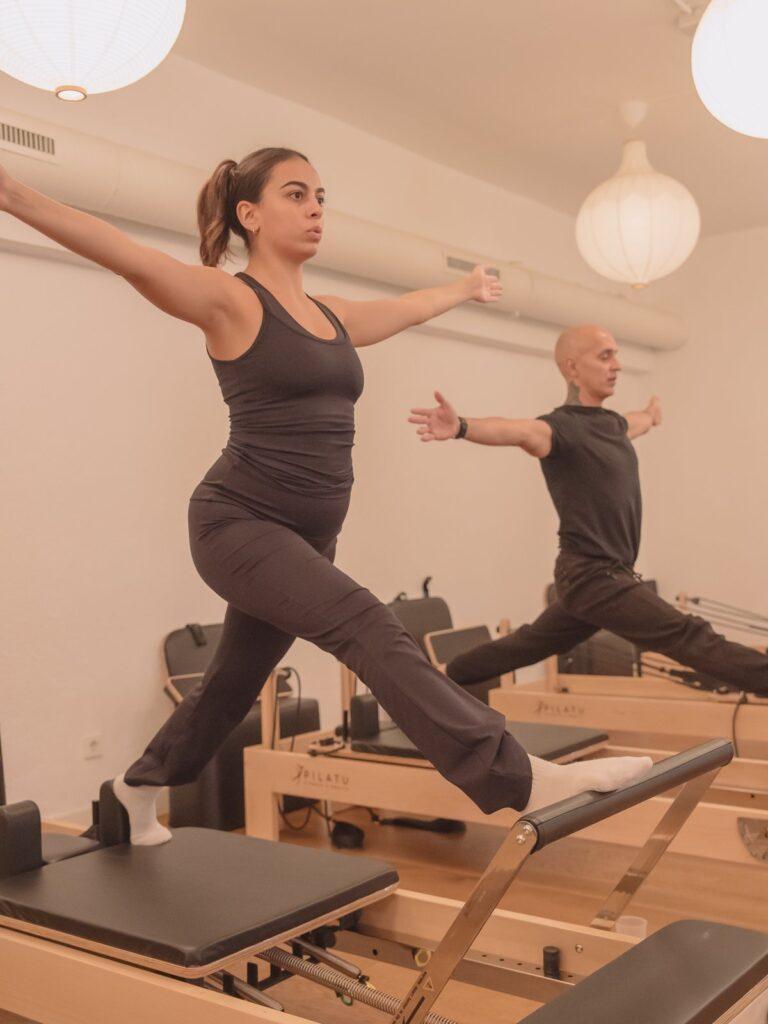
Reformer Pilates during pregnancy is, in general, safe and advisable for women with low-risk pregnancies and approval from their gynaecologist or obstetrician. But it requires specific adaptations in each trimester.
In the first trimester, exercises with a risk of overheating are avoided and intensity is reduced. In the second, prolonged supine work (lying on the back) is removed from week 16 to 20, because the weight of the uterus can compress the inferior vena cava and reduce venous return. In the third trimester, mobility, breathing and pelvic floor strengthening exercises are prioritised, avoiding positions that compromise balance.
Absolute contraindications within pregnancy include: pre-eclampsia, placenta praevia, threatened premature labour, premature rupture of membranes and any condition your gynaecologist considers incompatible with exercise.
Herniated Discs in the Chronic or Subacute Phase
Unlike an acute herniation with nerve compression (an absolute contraindication), a herniated disc in the chronic or subacute phase, without progressive neurological deficit and with medical clearance, benefits from Reformer Pilates. Stabilisation work, core strengthening and controlled mobility can reduce pain and improve function.
The instructor must know the exact location of the herniation (L4-L5, L5-S1, cervical), whether it is posterolateral or central, and which movements are contraindicated according to the medical report. With that information, loaded flexion is removed, rotation is adapted and work is done in unloaded positions.
Scoliosis
Scoliosis is one of the conditions that responds best to adapted Reformer Pilates. The Reformer allows asymmetric muscle work (more intensity on the weak side), improves body awareness and reduces postural compensations.
But the adaptation must be specific to the type of curve (thoracic, lumbar, double curve), its degree (Cobb angle) and whether it is a growing adolescent or an adult with a stabilised curve. A generic Pilates programme can even reinforce the imbalances instead of correcting them. That is why the instructor must know the diagnosis and, preferably, have training in spinal conditions.
Joint Replacements
After a hip, knee or shoulder replacement, there is a post-surgical period of absolute contraindication (see the previous section). Once that period is over and with the orthopaedic surgeon’s approval, Reformer Pilates is one of the best exercise options because it lets you strengthen without impact.
The specific precautions depend on the joint: with a hip replacement, flexion beyond 90 degrees, excessive adduction and internal rotation are avoided in the first months. With a knee replacement, maximum flexion is limited according to the surgeon’s instructions. The instructor must know these limits and respect them.
Controlled Heart Conditions
Compensated heart failure, arrhythmias controlled with medication, a history of heart attack with completed rehabilitation: all these situations allow moderate exercise, including Reformer Pilates, with the cardiologist’s approval.
Precautions include: avoiding the Valsalva manoeuvre (continuous breathing during effort is emphasised), controlling intensity so as not to exceed the recommended heart rate, avoiding inverted positions and watching for warning symptoms (chest pain, disproportionate breathlessness, dizziness).
Temporary Contraindications: Wait and Come Back
These are passing situations that require pausing Reformer Pilates until they resolve. They are not serious conditions, but practising while they are present can worsen the symptoms or compromise recovery.
Fever or Active Infection
With a fever, the body is fighting an infection. Physical exercise diverts energy resources to the muscles that the body needs for the immune response. Fever also alters the regulation of heart rate and blood pressure, making the response to effort unpredictable.
The rule is simple: if you have a fever (temperature above 37.5 degrees), do not exercise. Wait until your temperature has been normal for at least 24 hours before returning to activity.
Acute Pain
If you have acute pain anywhere in the body (intense low back pain, neck pain, joint pain), it is not the time for Reformer Pilates. Acute pain is a signal that something needs medical attention, not physical effort.
This does not refer to the mild chronic discomfort many people experience and which can, precisely, improve with adapted Pilates. It refers to pain that has appeared suddenly, is intense (above 7 on a scale of 1 to 10) and notably limits mobility.
The Post-Surgical Recovery Period
We have already mentioned it under absolute contraindications, but it deserves a specific mention here: the weeks after surgery are a temporary contraindication. Temporary means it has an end date. Once your surgeon approves it, you can return to the Reformer with a programme adapted to your recovery.
Dizziness or Active Vertigo
An episode of positional vertigo (BPPV), a Ménière’s attack or any condition that causes dizziness when changing position temporarily contraindicates Reformer Pilates. The Reformer involves frequent changes of position (lying, seated, kneeling, inclined), which can trigger or worsen the symptoms.
Menstrual Period with Intense Symptoms
The menstrual period itself is not a contraindication. Many women practise Reformer Pilates during their period without any problem. But if you experience intense period pain, nausea or dizziness, it is reasonable to rest that day and pick up again at the next session.
How to Know Whether You Can Practise: Checklist
Before your first Reformer Pilates class, answer these questions:
- Do you have an active injury (fracture, sprain, muscle tear)? If the answer is yes, wait until your doctor approves exercise.
- Have you had surgery in the last 3 months? Ask your surgeon when you can return to controlled exercise.
- Do you have a diagnosed condition (herniated disc, scoliosis, osteoporosis, heart disease, high blood pressure)? You need medical clearance and a studio that knows how to adapt the classes.
- Are you pregnant? Consult your gynaecologist and look for a studio with instructors trained in prenatal Pilates.
- Do you have a fever, acute pain or dizziness today? Rest and come back when you feel better.
If your answer to all these questions is “no”, you can start without restrictions. If any answer is “yes”, the next step is to talk to your doctor and, once you have clearance, tell the studio about your situation.
How to Tell Your Instructor about Your Conditions
This step is as important as medical clearance. Your instructor needs precise information to adapt your programme safely. These are the key points:
Before Your First Class
When you book your first session, tell the studio about any relevant medical condition. Do not wait until you are in class to mention it. A good studio will ask you to fill in a health questionnaire before you start. Use it. Do not minimise or leave out information.
What Information to Share
- The specific diagnosis, not only the symptoms. “I have a posterolateral L5-S1 herniated disc” is far more useful than “my back hurts”.
- If you have a medical report, bring it. The instructor can read it and extract the relevant guidance for your programme.
- The movements your doctor has specifically contraindicated. For example: “my orthopaedic surgeon says I must not do spinal flexion under load”.
- The medication you take, especially if it affects performance (beta blockers, anticoagulants, muscle relaxants).
- Your current level of pain and how it varies through the day.
During Classes
Communication does not end after the first session. If something changes (a flare-up of pain, a new diagnosis, a change of medication), say so. And during the class, tell the instructor if an exercise causes pain, tingling, dizziness or any unexpected sensation. A good instructor appreciates that information because it lets them adjust the exercise in real time.
What a Good Instructor Does with That Information
With your details, a qualified instructor will do three things: remove contraindicated exercises from your programme, modify exercises that can be adapted to your condition and select exercises that are specifically beneficial for your situation. In a small group of 8 people maximum, like those at Pinar Pilates, this is possible without interrupting the flow of the class.
How a Good Instructor Adapts the Exercises
Not every medical condition means giving up Reformer Pilates. Most only require specific adaptations. An instructor with proper training has the tools to do it.
Modifying Range of Movement
For students with joint replacements, herniated discs or scoliosis, the range of movement is limited in exercises that could compromise the affected joint or spinal segment. The Reformer lets you adjust stops, change the position of the feet or hands and use extra supports to limit the travel.
Selecting Resistance
The Reformer springs are graded in intensity. For people with osteoporosis, heart conditions or in the early phases of rehabilitation, lighter springs are used that assist the movement rather than resisting it. This reduces the load on the tissues without losing the benefit of the exercise.
Changing Position
Many Reformer exercises can be done in different positions: lying on the back, on the front, on the side, seated, kneeling or standing. If a student must not stay lying on their back for long (late pregnancy) or does not tolerate the prone position (certain cervical herniations), the instructor substitutes an alternative position.
Completely Replacing the Exercise
When an exercise cannot be adapted safely, it is replaced with another that works the same muscle groups without the contraindicated movements. The Reformer repertoire is wide enough to offer alternatives to practically any exercise.
Reformer Pilates Risks: A Realistic Perspective
Reformer Pilates is one of the forms of exercise with the lowest injury rate. Its controlled, impact-free nature with adjustable resistance makes it a safe option for most people. The real risks concentrate in three scenarios:
- Practising with an unidentified absolute contraindication. That is why health questionnaires and communication with the instructor are fundamental.
- Crowded classes without proper supervision. In groups of 20 or 30 people, the instructor cannot watch individual execution or adapt exercises. In groups of 8 maximum, like those at Pinar Pilates, supervision is real.
- Instruction without sufficient training. An instructor who does not know the contraindications and the adaptations each condition requires can prescribe unsuitable exercises.
The risk is not in the Reformer. It is in using it without the right information and supervision.
How We Handle It at Pinar Pilates
At Pinar Pilates, at Calle del Pinar 8, Salamanca district, Madrid, we take contraindications seriously. Our protocol includes:
A compulsory health questionnaire. Before your first class, you fill in a questionnaire that includes questions about conditions, surgeries, medication and pregnancy. If we detect a condition that requires medical clearance, we tell you before you set foot in the studio.
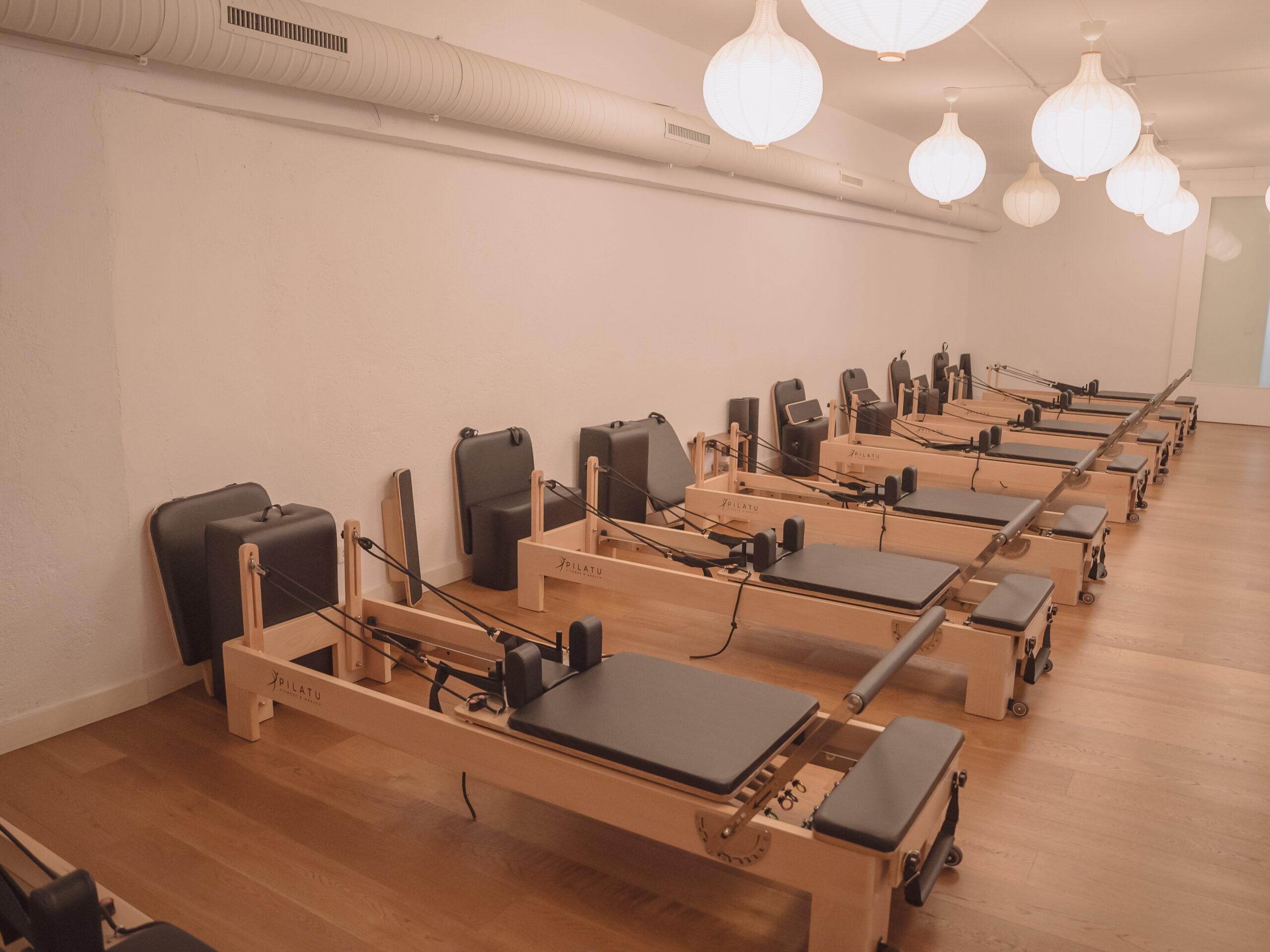
Groups of 8 people maximum. With 8 students per class, the instructor can watch how each person performs, correct in real time and offer individual modifications. This is not a luxury: it is the minimum needed to work safely with people who have medical conditions.
Instructors trained in conditions. Our team knows how to identify when an exercise is not right for a specific student and which alternative to offer. It is not about following a choreography: it is about adapting each session to the people in the room.
Open communication with medical teams. If you bring us a report from your orthopaedic surgeon, rehabilitation doctor or physiotherapist, we read it and build it into your programme. If you need us to confirm to your doctor what kind of exercises you do, we will.
We are rated 4.9 out of 5 on Google with more than 490 reviews. That score is not achieved with good classes alone: it comes from the trust generated by a studio that puts its students’ safety first.
Frequently Asked Questions
Does Reformer Pilates have more contraindications than mat Pilates?
No. The contraindications are essentially the same for both. The difference is that the Reformer allows more adaptations: adjustable resistance, varied positions, assisted movement. In many cases, the Reformer is safer than the mat for people with conditions because it reduces the load on the joints and the spine.
Can I do Reformer Pilates with a hip or knee replacement?
Yes, once the post-surgical period is over and with your orthopaedic surgeon’s approval. The Reformer lets you strengthen the muscles around the joint without impact, which is ideal for rehabilitation after a replacement. The instructor must know the specific movement restrictions for your prosthesis.
Should I mention my medical condition even if it seems minor?
Yes. What seems minor to you can influence the choice of exercises. A shoulder tendinitis, mild low back pain, an episode of vertigo two weeks ago: all of it is useful information for your instructor.
Can I start Reformer Pilates if I have never exercised?
Yes. Lack of sporting experience is not a contraindication. It is a starting point. The Reformer lets you work with very low resistance and basic movements. In your first class you will be shown how the machine works and the intensity will be adapted to your level.
What if something hurts during a class?
Tell the instructor immediately. Pain during an exercise is a signal that must not be ignored. The instructor will stop that exercise and offer an alternative or tell you to rest. At Pinar Pilates, with groups of 8 people maximum, the instructor can attend to you without it being a problem for the rest of the class.
Unsure whether Reformer Pilates is right for your situation? Check with your doctor and, with their approval, book your first class at 50% off at Pinar Pilates. Before your session, we will review your health questionnaire and adapt the class to your needs.
If you would rather talk to us before booking, call us on +34 611 994 729. We will answer your questions with no obligation.
You may also be interested in: Reformer Pilates and Herniated Discs, Pilates for Pregnant Women in Madrid, Reformer Pilates and Scoliosis and Your First Reformer Pilates Class.
Pinar Pilates · Salamanca district, Madrid
Your first reformer class, €15
Groups of 8 people maximum, specialist instructors and more than 40 classes a week. Your first class is half price.
Book my first classCalle del Pinar 8, Madrid · Questions? Message us on WhatsApp